
Special Fellowship Pathways
We are proud to offer structured training opportunities that allow nephrology fellows to tailor their fellowship experience toward academic careers, subspecialty expertise, and cross-disciplinary enrichment.
Institution-Wide (GME-Sponsored) Pathways
These pathways are administered through the UCSF Graduate Medical Education (GME) Office and are available to trainees across departments. These pathways can be pursued within the standard two year ACGME nephrology fellowship timeline and provide structured training in areas complementary to clinical nephrology. Additional information and GME pathways can be found at meded.ucsf.edu/residents-clinical-fellows.
Health Professions Education Pathway
Fellows interested in medical education, program leadership, and education scholarship can pursue the Health Professions Education (HPE) Pathway at UCSF. This pathway offers formal training in the principles and practice of medical education, including curriculum design, assessment, and education research. Fellows participate in core HPE seminars and may be eligible for master’s-level education training during fellowship.
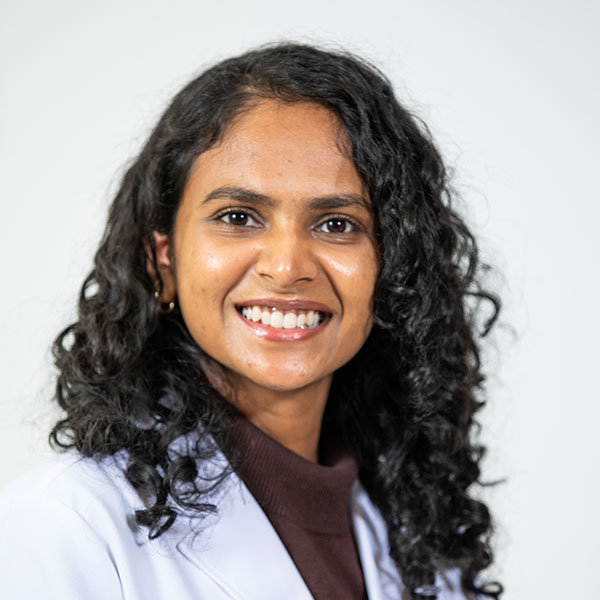
Ayeesha Kattubadi
(Class of 2026)
David Li
(Class of 2023)

Dana Larsen
(Class of 2022)

Laalasa Varanasi
(Class of 2020)

Thuy Nguyen
(Class of 2018)
Global Health Pathway
The Global Health (GH) Pathway prepares fellows to develop commitments and skills to reduce health inequities and address disparities in care for vulnerable populations globally. This pathway includes a multi-week seminar in global health during fellowship and opportunities to engage with global health faculty and collaborators across UCSF.
Chidinma Enyinna
(Class of 2021)
Clinical Informatics Pathway
The Clinical Informatics Pathway provides fellows with foundational training in the use of health information technology, data analytics, and clinical decision support to improve patient care and healthcare systems. Fellows gain exposure to informatics principles through structured coursework and applied projects during fellowship.
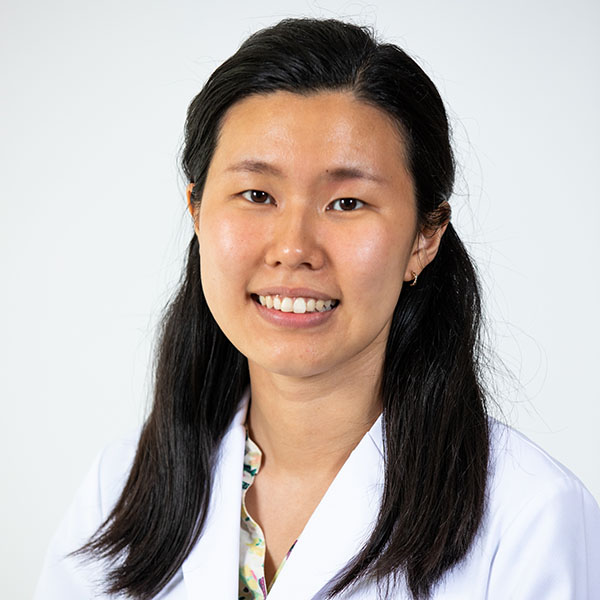
Deb Lee
(Class of 2026)
Additional information about both HPE and Global Health Pathways is available on the UCSF Graduate Medical Education website.
Post-Fellowship Subspecialty Training
These clinical fellowships are pursued after completion of the core nephrology fellowship and provide advanced subspecialty competency. Separate application processes apply.
- Transplant Nephrology Fellowship
A one-year (or extended two- to three-year research-inclusive) clinical fellowship providing hands-on experience in all aspects of kidney transplantation, including inpatient and outpatient management, multi-disciplinary conferences, and structured didactics.
- Critical Care Nephrology Fellowship
Advanced training focused on the management of kidney disease in critically ill patients (institutional availability may vary).
- Geriatric Nephrology Fellowship
Training at the intersection of aging and kidney disease, supporting expertise in care for older adults with nephrology conditions.
These programs are ideal for fellows pursuing academic careers or clinical subspecialization beyond the core nephrology training.
Nephrology Continuity Clinic–Based Longitudinal Pathways
These longitudinal pathways allow fellows to develop focused clinical and scholarly expertise within their standard fellowship continuity clinic experience, typically during the second year of training. Fellows fulfill all core clinical and educational requirements while engaging in extended subspecialty exposure.
Polycystic Kidney Disease (PKD) Longitudinal Pathway
The PKD fellowship is for fellows with a strong interest in polycystic kidney disease and genetic kidney disease. Fellows rotate through the PKD Center of Excellence at UCSF to build advanced clinical expertise and are required to engage in a quality improvement and/or research project related to PKD care.

Lauren Ng
Allen Chao
Merve Postalcioglu
Meghana Eswarappa

Sally Chau
Glomerulonephritis (GN) Longitudinal Pathway
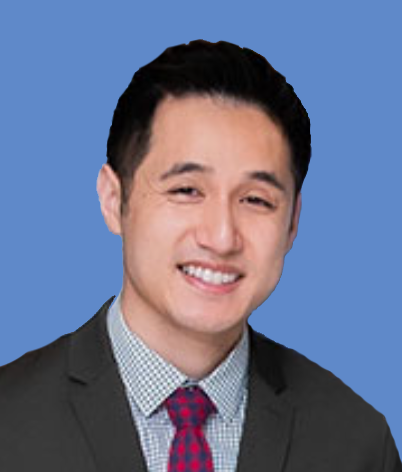
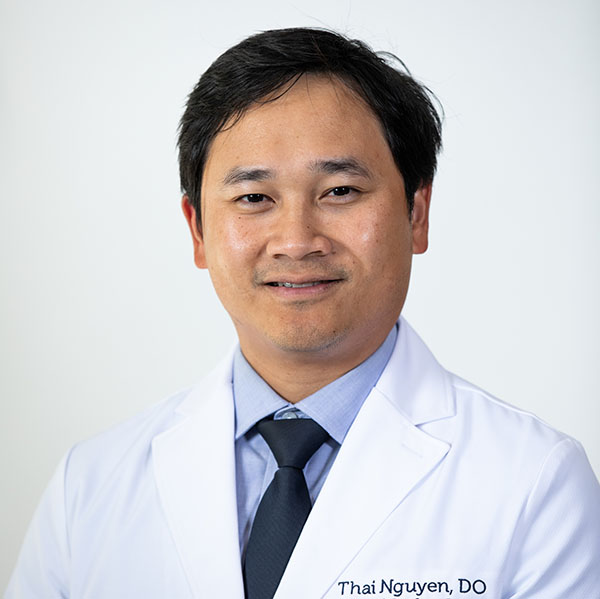
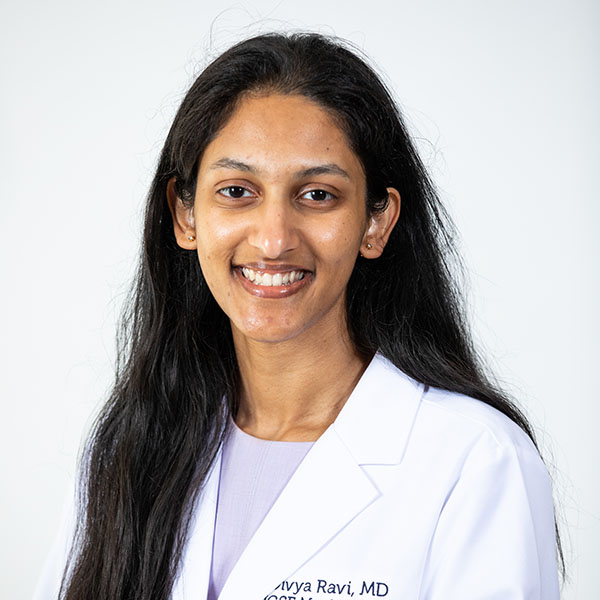
The Glomerulonephritis (GN) fellowship pathway is designed for fellows with a strong interest in immune-mediated kidney disease. Fellows rotate through the UCSF Glomerular Disease Center based at UCSF Parnassus to develop advanced expertise in diagnosis and longitudinal management of glomerular disorders. Core activities include regular participation in the weekly GN case conference, opportunities to present scholarly work at scientific meetings, and involvement in screening and enrollment of patients for GN clinical trials.
Jaclyn Khil
Sonny Nguyen
Thai Nguyen
Uchenna Nwosu
Divya Ravi

Kevin Shi
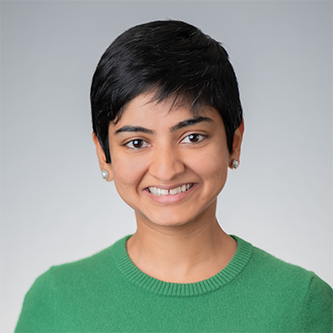
Saipriya Vasudevan
End-Stage Kidney Disease (ESKD) Longitudinal Pathway
The End-Stage Kidney Disease (ESKD) Longitudinal Pathway is for fellows with a strong interest in dialysis care and population-based management of kidney failure. Based at Zuckerberg San Francisco General Hospital, fellows provide longitudinal oversight of their own panel of patients receiving in-center hemodialysis and home dialysis modalities. The pathway includes exposure to private local dialysis centers, observation of dialysis medical director responsibilities, participation in quality improvement initiatives, and attendance at home dialysis conferences and multidisciplinary educational sessions.
Hubert Wang
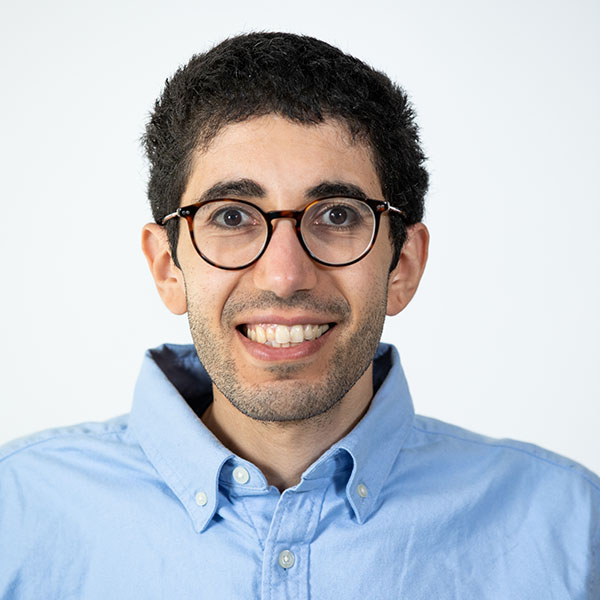
Wagih Zayed
Kidney Stone Disease Longitudinal Pathway
The Kidney Stone Disease Longitudinal Pathway is designed for fellows with a strong interest in nephrolithiasis and metabolic stone disease. Fellows rotate through the multidisciplinary UCSF Kidney Stone Center of Excellence under the mentorship of Dr. Matthew Breeggemann to develop expertise in metabolic stone evaluation, dietary and pharmacologic prevention strategies, and the management of recurrent and genetic stone disorders. The pathway includes opportunities to participate in clinical trial enrollment activities, multidisciplinary educational conferences, and scholarly or teaching experiences related to kidney stone disease.
Daniel Gauvin